

PROCESS WEIGHING
Tank and Hopper Scales
Know what's in the vessel by weighing it, not by guessing at the level.
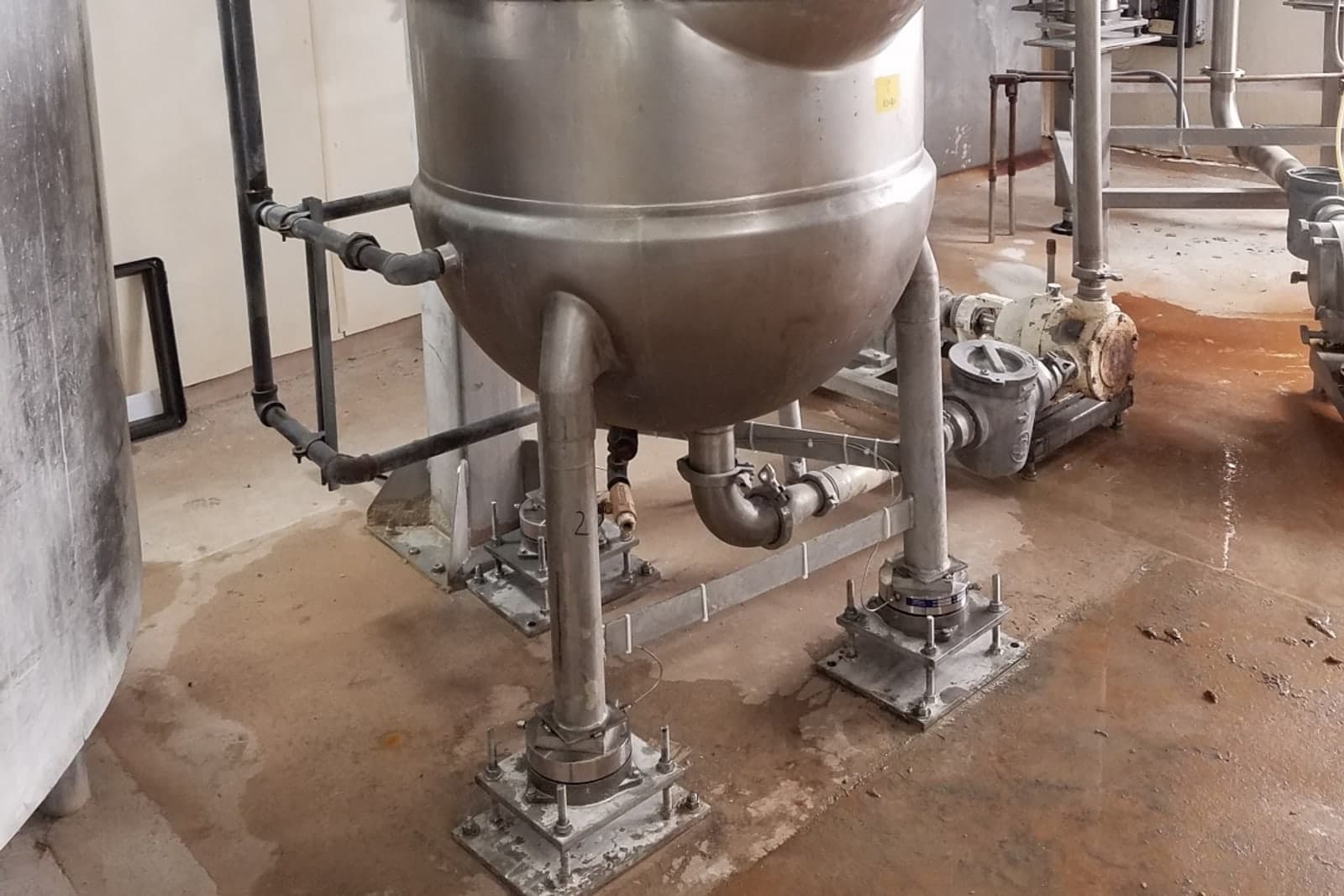
Weighing a vessel is the most reliable way to know what's inside it. Level sensors guess at volume and get fooled by foam, bridging, and uneven material. A scale measures actual weight, so your inventory counts and batch amounts are right whether the product is settled, aerated, or caked to a sidewall.
The equipment matters less than the installation. Load cell selection, mount placement, piping, and thermal movement decide whether the system holds accuracy or drifts. We walk the site, look at your structure and piping, and quote a system that fits — no oversized hardware you don't need.
We install Rice Lake, Cardinal, and B-TEK vessel weighing systems — and service almost any make.
Built Around the Vessel
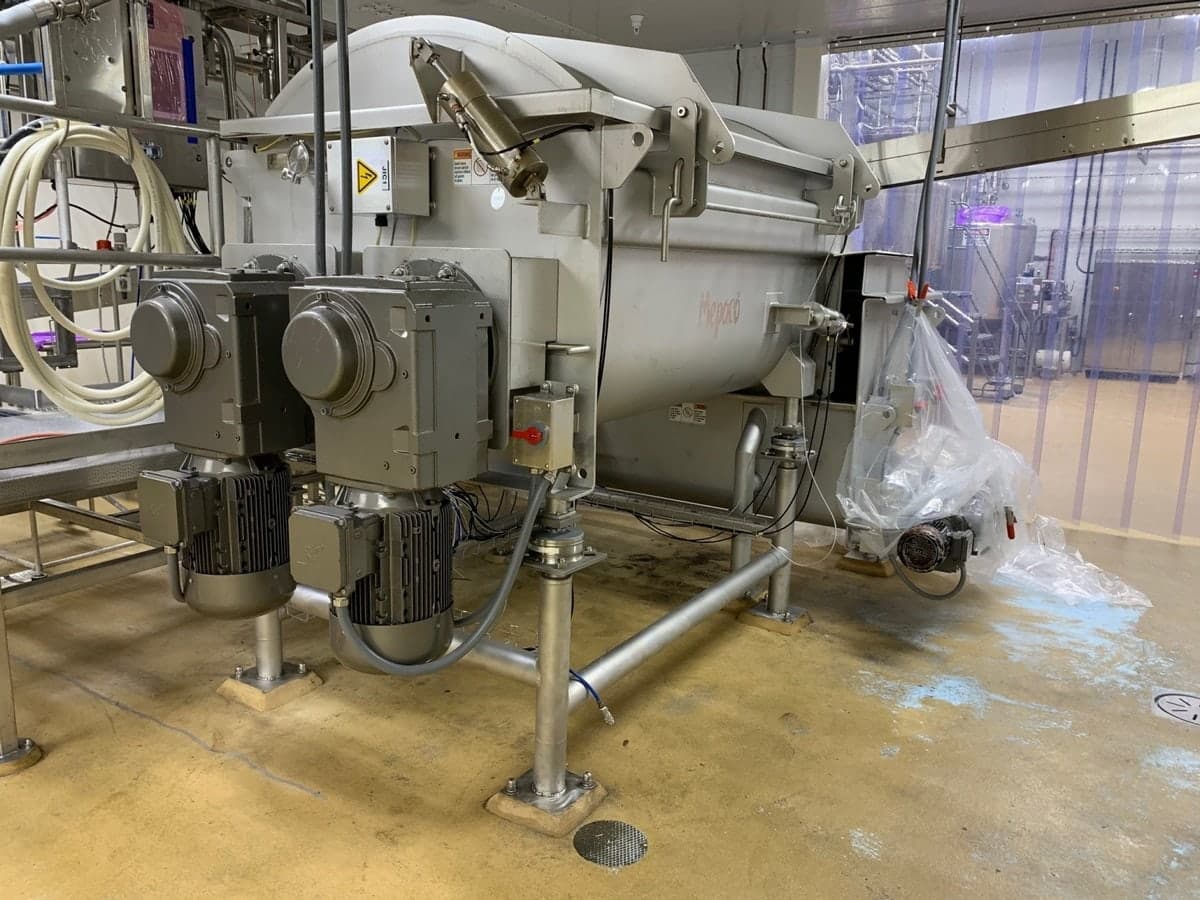
The specification starts with what you're weighing — liquid, powder, or dry bulk — and how it gets loaded. A hopper filled by front-end loader needs different mounts and overload protection than one fed by a screw conveyor. Vibration, shock loading, dust, and washdown all change the hardware, and so does whether you buy or sell over the scale, which means NTEP.
You don't need a new vessel. Weigh modules install under the legs or support points of a tank, hopper, silo, or mixer you already own, and hung vessels can be weighed in tension instead. We size module count and capacity to your live load and dead weight.
- Capacity, live load, and vessel dead weight
- Three- and four-point support, or suspended tension weighing
- Self-checking mounts for vibration and shock loading
- Stainless, mild steel, and washdown or dust-tight hardware
- FM Approved components for Class I and II hazardous locations
Installation, Calibration, and Controls
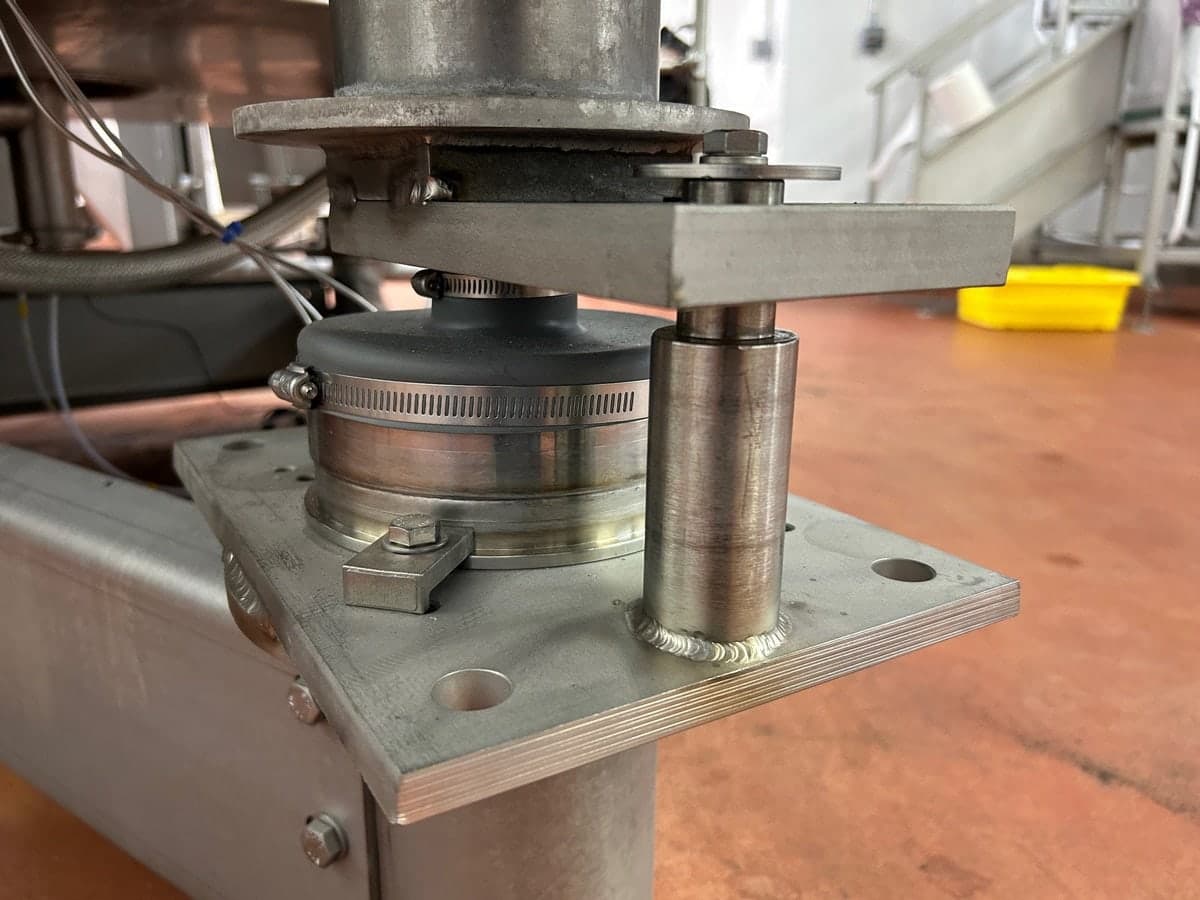
Rigid piping, conduit, and catwalk connections carry load around the load cells — the scale can repeat beautifully and still read wrong. We design pipe connections with flexible fittings and proper spans, and account for thermal expansion so a seasonal swing doesn't move your readings. It's the most common reason vessel scales installed by others don't perform.
The scale ties into your process: batching ingredients by weight, filling to a target, cutting off valves and gates, reporting to your plant network. We program the setpoints, wire the I/O, prove the sequence with your material, and calibrate the finished system so the numbers stand up to an audit.
- Load cell selection, mount placement, and installation
- Flexible pipe fittings and thermal expansion allowance
- On-site calibration of the finished system
- Batching, blending, and cut-off by weight
- Setpoint programming, I/O wiring, and operator training
Common questions
Can you turn my existing tank into a scale?
Usually, yes. A weigh module kit installs under the legs or support points of the vessel you already own — no new tank required. We evaluate the vessel's structure, leg count, and dead weight, then match a kit from Rice Lake, Cardinal, or B-TEK. Most conversions take one to two days on site including calibration.
How accurate is a tank or hopper scale?
A properly installed vessel scale typically holds accuracy within 0.1 to 0.25 percent of applied load, and better is achievable with good mechanical design. The limiting factor is rarely the load cells — it's rigid piping, conduit, and thermal movement pushing on the vessel. We design and check those connections on every installation.
Do rigid pipes really affect the scale reading?
Yes, and it's the most common problem we find on underperforming vessel scales. A rigid pipe connection carries part of the load around the load cells, so the scale reads light or heavy depending on temperature and pipe position. Flexible fittings, longer horizontal pipe runs, and expansion-tolerant mounts like Rice Lake's Paramounts HE solve it.
Can I use a tank scale in a hazardous (explosive) area?
Yes. For classified areas — solvent rooms, grain dust environments, chemical processing — we install FM Approved intrinsically safe load cells with barriers, or explosion-proof rated systems, matched to your area classification. Tell us the Class, Division, and Group rating and we'll spec hardware that complies.