

SALES & SERVICE
Commercial and Industrial Scales
Match the scale to the work — the load, the environment, and what the weight is used for.
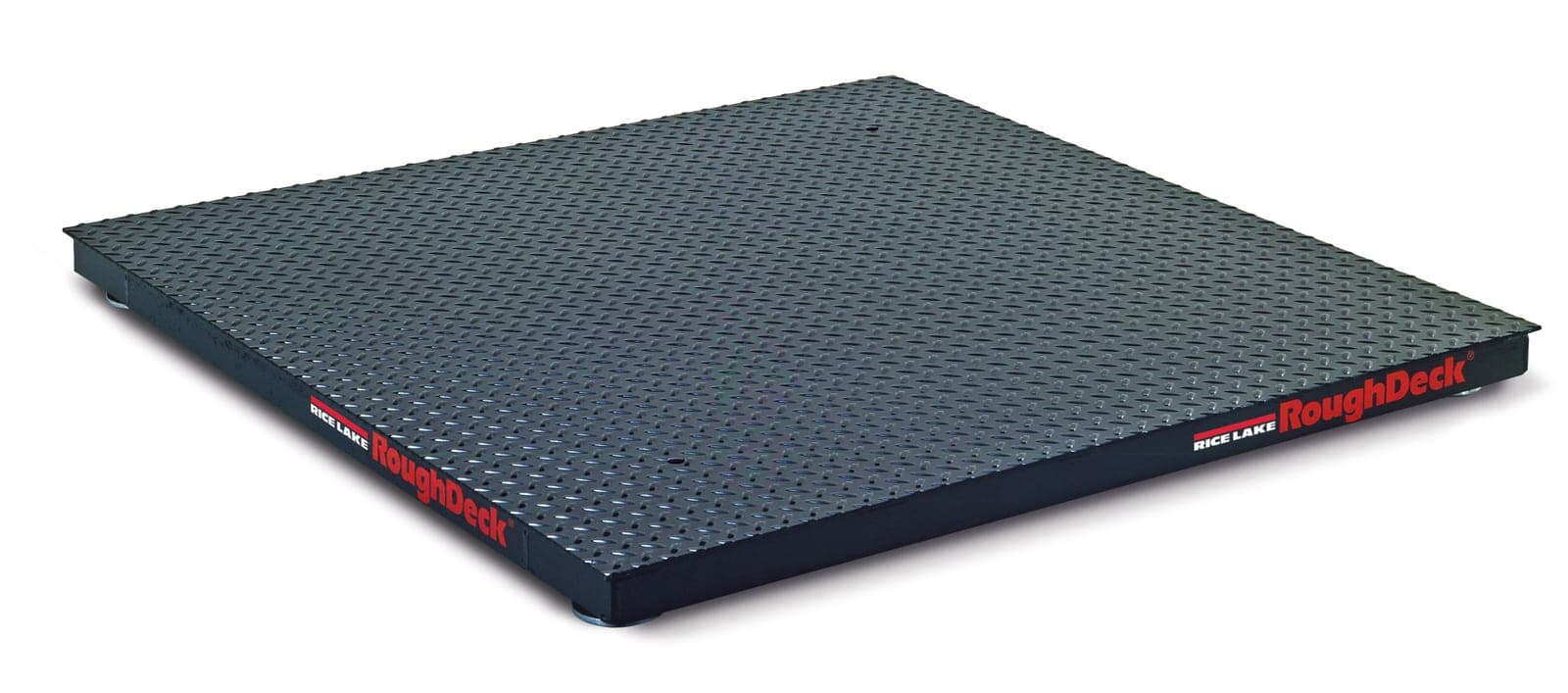
A shipping dock, a food plant, and a machine shop all weigh things, and none of them should be using the same scale. What you weigh, where it sits, and what happens to the number afterward decide the equipment.
We design the system around the job rather than forcing the job around the scale — capacity, platform size, readability, and environment rating matched to your heaviest load, your smallest meaningful measurement, and the conditions the scale has to survive. We have been selling and servicing weighing equipment in central Pennsylvania since 1961.
We sell floor, bench, counting, and crane scales from Rice Lake, Emery Winslow, B-TEK, Doran, CAS, Pennsylvania Scale, Cardinal, Ohaus, and Detecto — and service almost any make.
Matching the Scale to the Job
Floor scales take pallets, drums, and gaylords — size the deck to the load's footprint, not just its weight. Bench scales handle shipping, portioning, and checkweighing. Counting scales turn a sample weight into a piece count. When the load hangs from a hook, you weigh it in the air.
Environment decides construction. A dry warehouse runs painted steel fine; a plant hosed down every shift needs stainless and sealed load cells, or you will buy the same scale twice a year. Tell us what you weigh, how often, and where, and we will spec the base and indicator together.
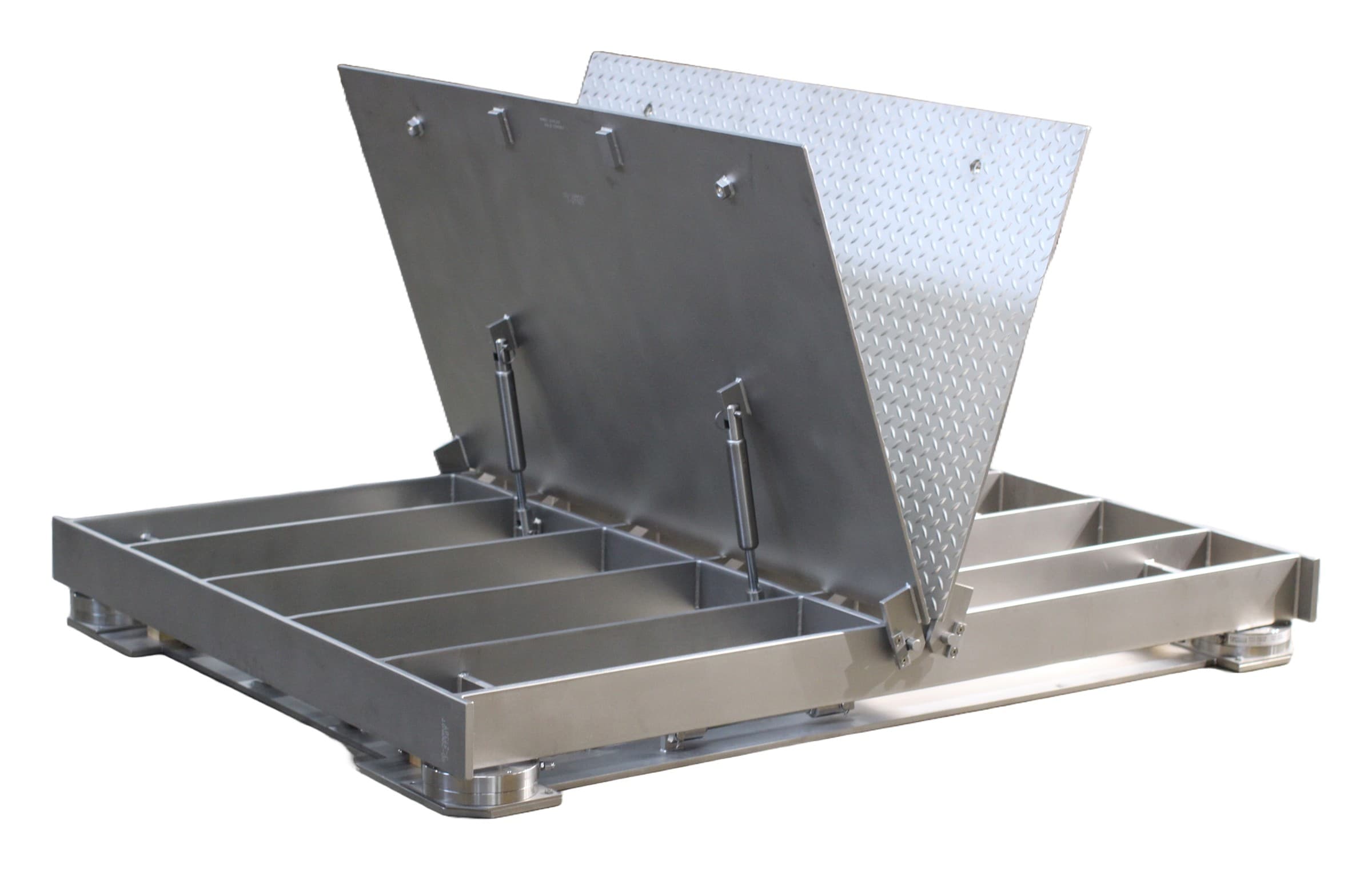
- Ramps and above-ground decks, or pit frames flush with the floor
- Stainless and IP69K washdown construction for daily cleanup
- Indicators with checkweighing, accumulation, and data output
- Piece counting added to floor scales and bases you already own
- Overhead weighing that meets OSHA, ANSI, and ASME requirements
Floor Scales
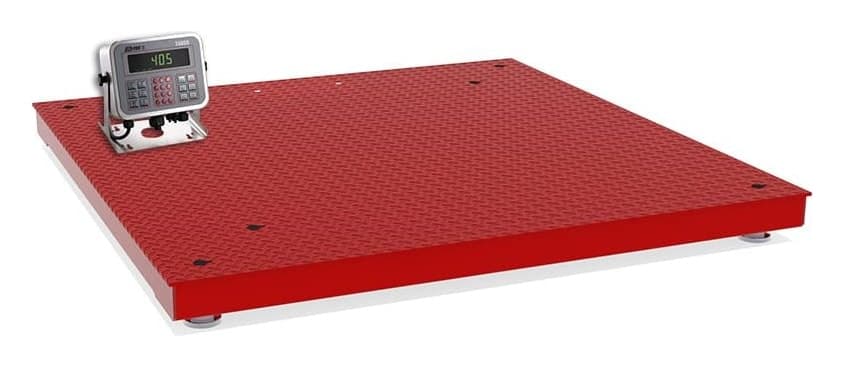
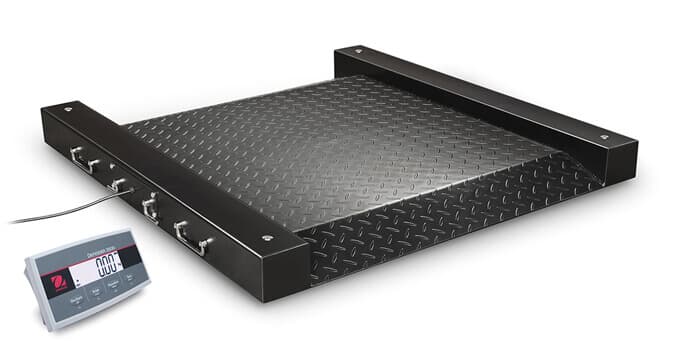
Floor scales take pallets, drums, gaylords, and anything a pallet jack or forklift can put on them. Most plants run a four- or five-foot deck at 5,000 or 10,000 pounds. We size the platform to the load and the traffic, not to a catalogue page.
- Common decks from 3x3 to 8x10 ft, capacities 1,000 to 40,000 lb
- NTEP legal-for-trade versions on every line we sell
- Above-ground with ramps, or pit-mounted flush with the floor
- Stainless and washdown decks for food and pharma
Bench Scales
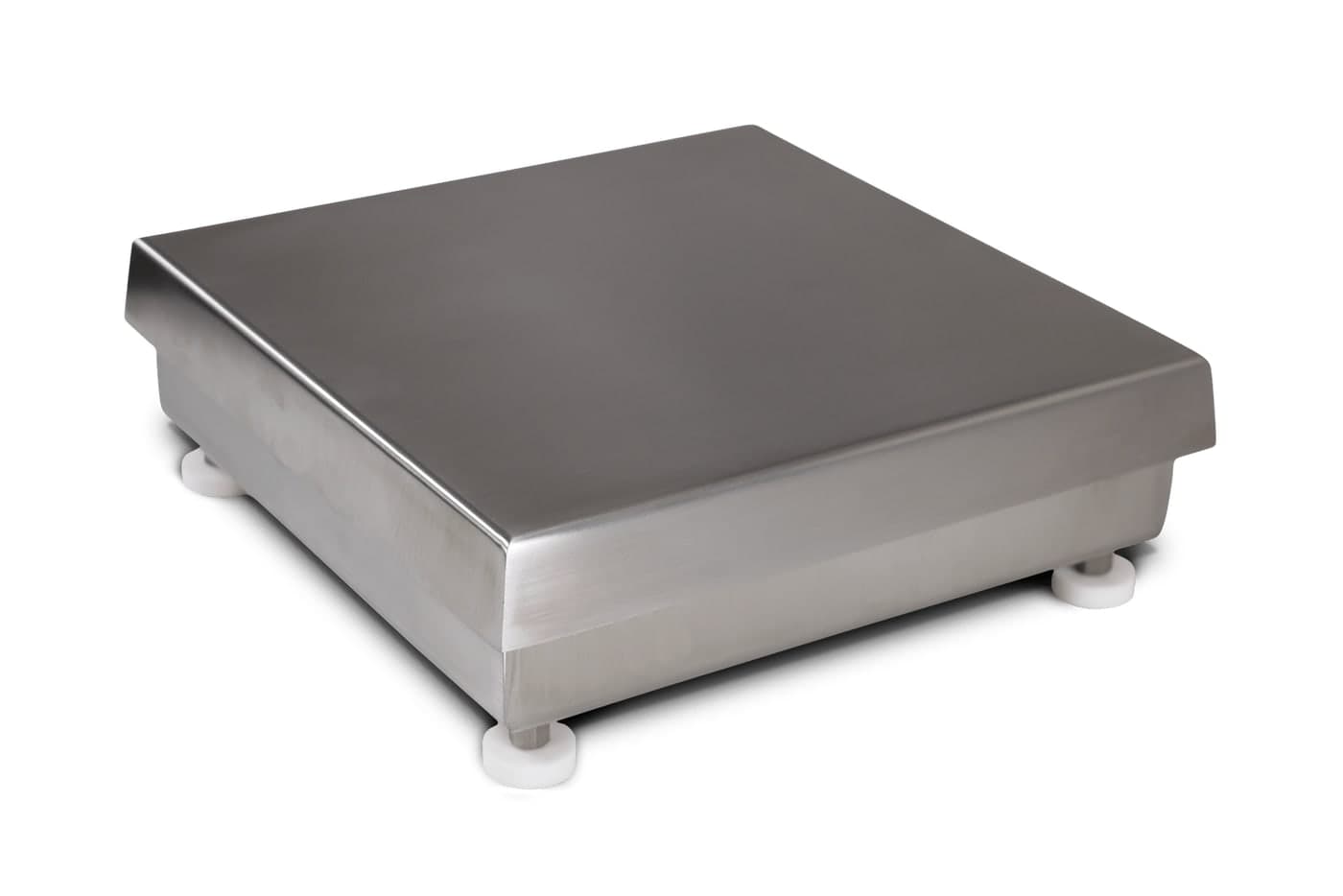
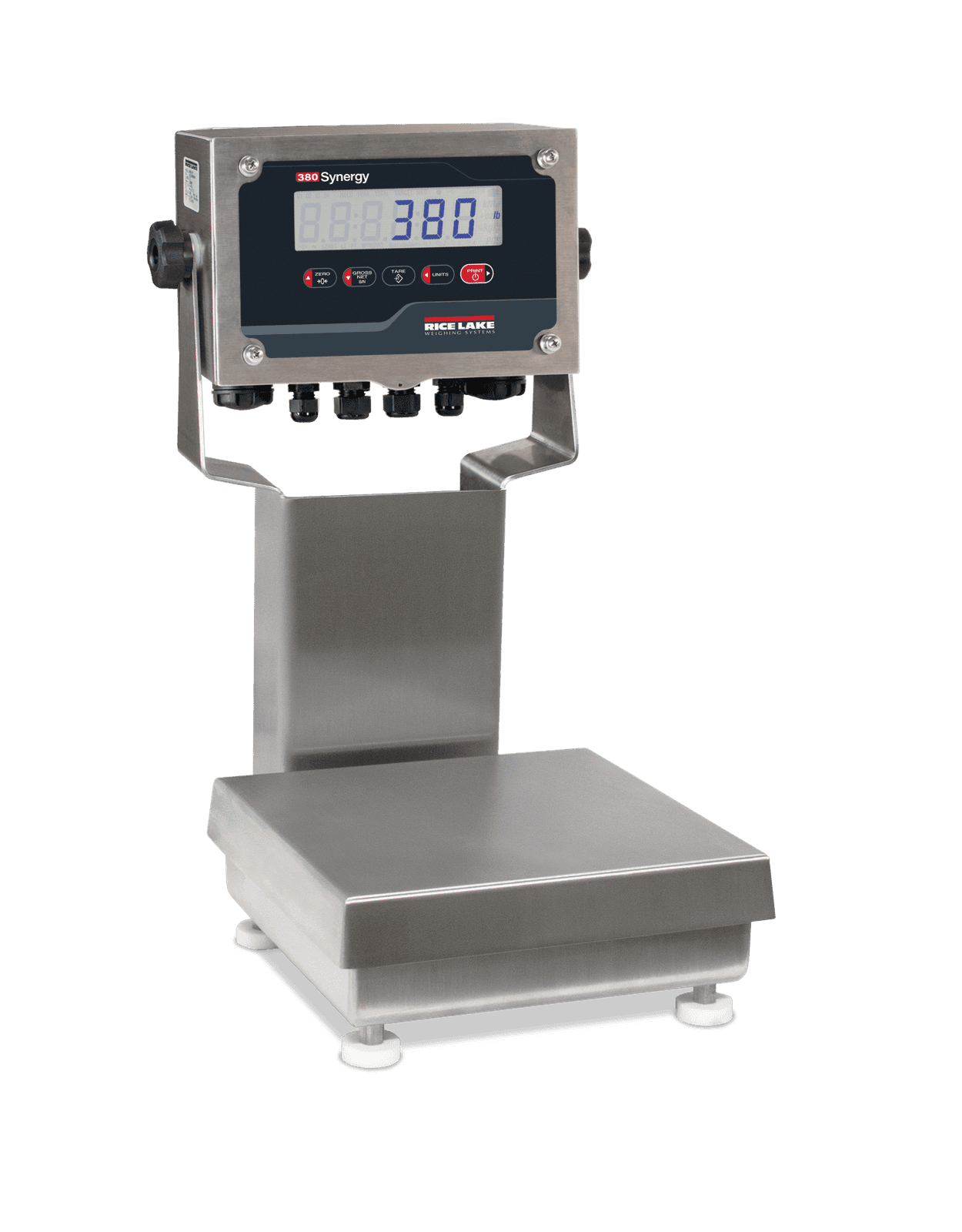
Bench scales are the workhorses of shipping, receiving, portioning, and checkweighing. The right one depends on the room it lives in: a painted steel base is fine in a dry warehouse, and nowhere near enough in a wet one.
- Platforms from 10x10 in. to 24x24 in.
- Capacities from a couple of pounds to 500 lb
- Washdown-rated stainless for food and pharmaceutical plants
- Indicators with checkweighing, accumulation, and data output
Counting Scales
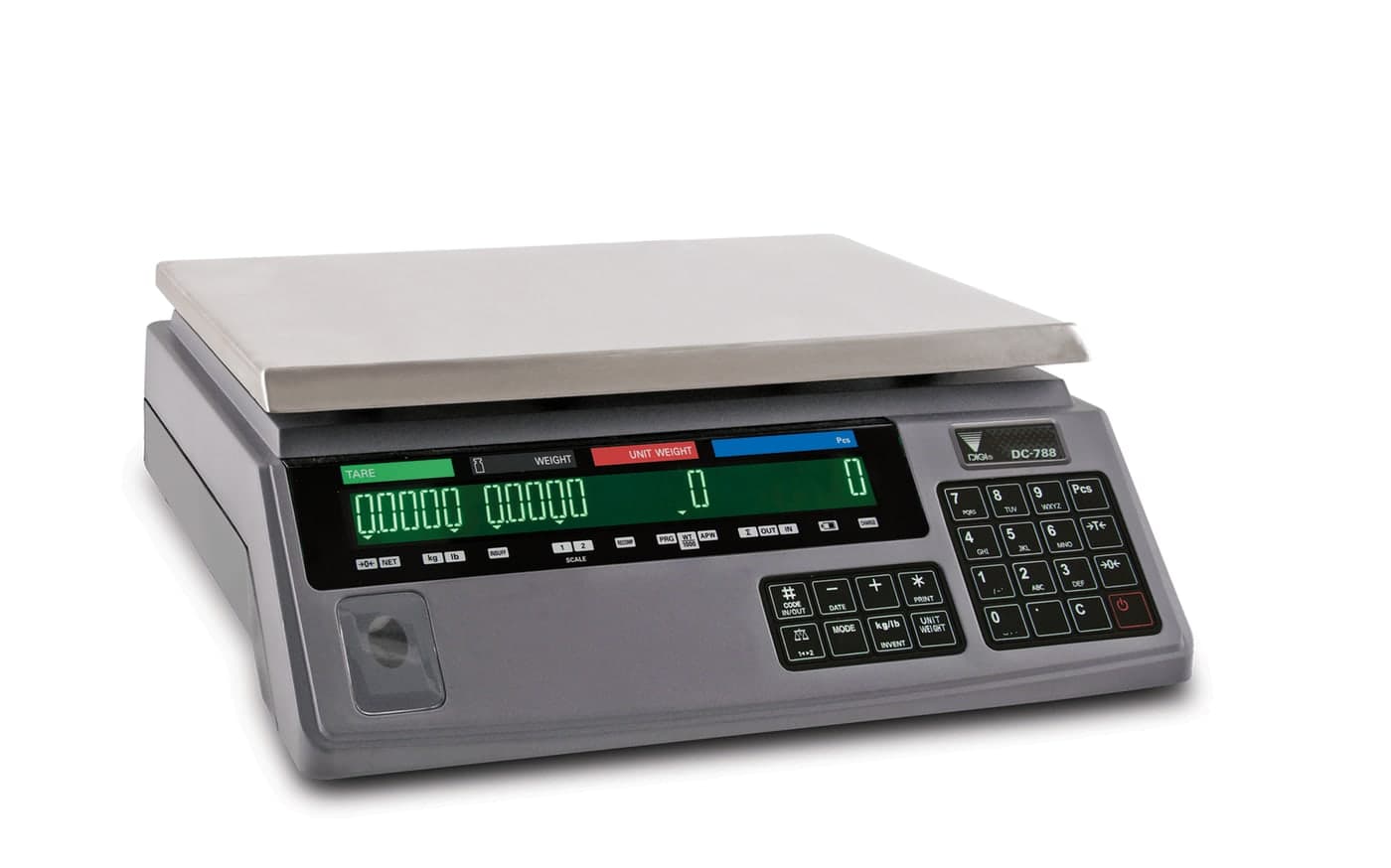
A counting scale weighs a sample, works out the average piece weight, then converts weight to count. For inventory, kitting, and order picking it replaces hand counting and the errors that come with it.
- Sample-based counting with accumulation and memory
- High internal resolution for small fasteners and components
- Counterpart indicators add counting to a floor scale you already own
- Dual-scale setups: sample on a precision base, count on the floor scale
Crane Scales and Tension Links
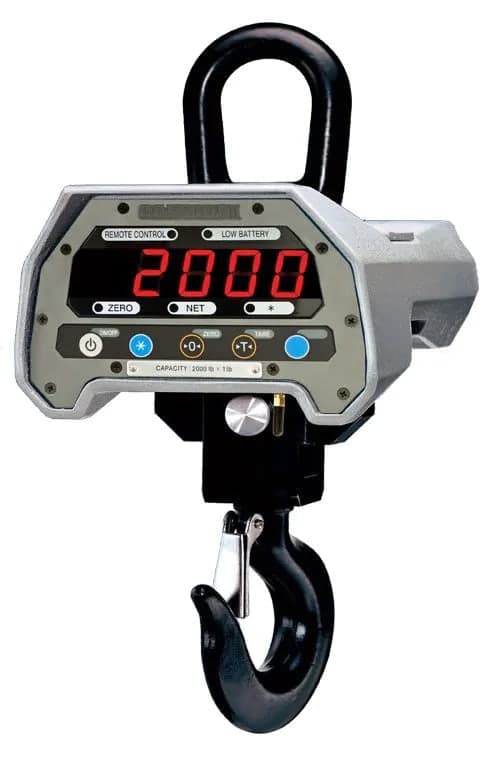
When the load hangs from a hook, you weigh it in the air. Crane scales and tension links are built to overhead safety requirements, and wireless displays keep the operator out from under a suspended load.
- Capacities from 500 lb to 100,000 lb and beyond
- Meets OSHA, ANSI, and ASME overhead safety requirements
- Wireless remote displays away from the load
- On-site calibration with certified test weights
Capacity and Readability
Two numbers define every scale: capacity, the most it will weigh, and readability, the smallest increment it shows. They are linked. An industrial scale typically resolves its capacity into 5,000 or 10,000 divisions, so a 10,000-pound floor scale reads in 1- or 2-pound steps. You will not get ounce-level readings out of a pallet scale.
The rule: pick a capacity 25 to 50 percent above your heaviest expected load, container and pallet included, then check that the readability at that capacity is fine enough for the process. If you need 4,000-pound pallets and 10-pound samples, that is two scales, not one compromise.
- Size capacity 25-50% above your heaviest load, container included
- More capacity means coarser readability on the same platform
- Counting accuracy comes from internal resolution and sample size
- Legal-for-trade scales are limited to their certified division count
- Wide weighing ranges usually mean two scales, not one
NTEP and Legal-for-Trade
If money changes hands based on the weight — scrap, produce, mulch, meat, anything priced per pound — the scale has to be NTEP-approved, placed in service, and tested. NTEP means the design has been verified against Handbook 44; the scale carries a Certificate of Conformance, and the state Weights and Measures program can inspect it.
If you weigh only for internal use — process control, inventory, shipping estimates — no NTEP requirement applies. We ask how the weight gets used before quoting anything, and we handle the placed-in-service paperwork when it is required.
- Selling by weight requires an NTEP-approved, registered scale
- Internal-use weighing carries no NTEP requirement
- We handle placed-in-service registration and Weights and Measures paperwork
- Legal-for-trade scales must stay maintained and tested to remain compliant
Common questions
Do I need an NTEP legal-for-trade scale?
Only if money changes hands based on the weight. If you buy or sell by the pound, you need an NTEP-approved scale, registered and sealed by Weights and Measures. If you weigh strictly for internal use, such as inventory or process control, a non-NTEP scale is legal. We ask how you use the weight before we quote.
What size floor scale do I need for pallets?
A 4x4 foot deck at 5,000 pounds covers standard 40x48 inch pallets in most operations. If your loads overhang the pallet or you run heavier product, step up to a 5x5 foot deck or 10,000 pounds. The platform should be larger than the load footprint, and the capacity should sit 25 to 50 percent above your heaviest load.
How accurate are counting scales for small parts?
Accuracy depends on the scale's internal resolution and your sample size. A good counting scale like the Pennsylvania 7500 or CAS EC-2 resolves weight far finer than it displays, so it can count small fasteners reliably if you sample enough pieces. As a rule, larger samples and consistent part weight mean better counts. We can test your actual parts before you buy.
Can you calibrate the scale after you sell it to me?
Yes. That is the point of buying from a service company. Our technicians calibrate on-site with certified test weights. We also repair what we sell, so you are not shipping a scale back to a factory when something fails.