

IN-MOTION WEIGHING
Conveyor Belt Scales
Weigh material as it moves, without stopping production to find out how much.
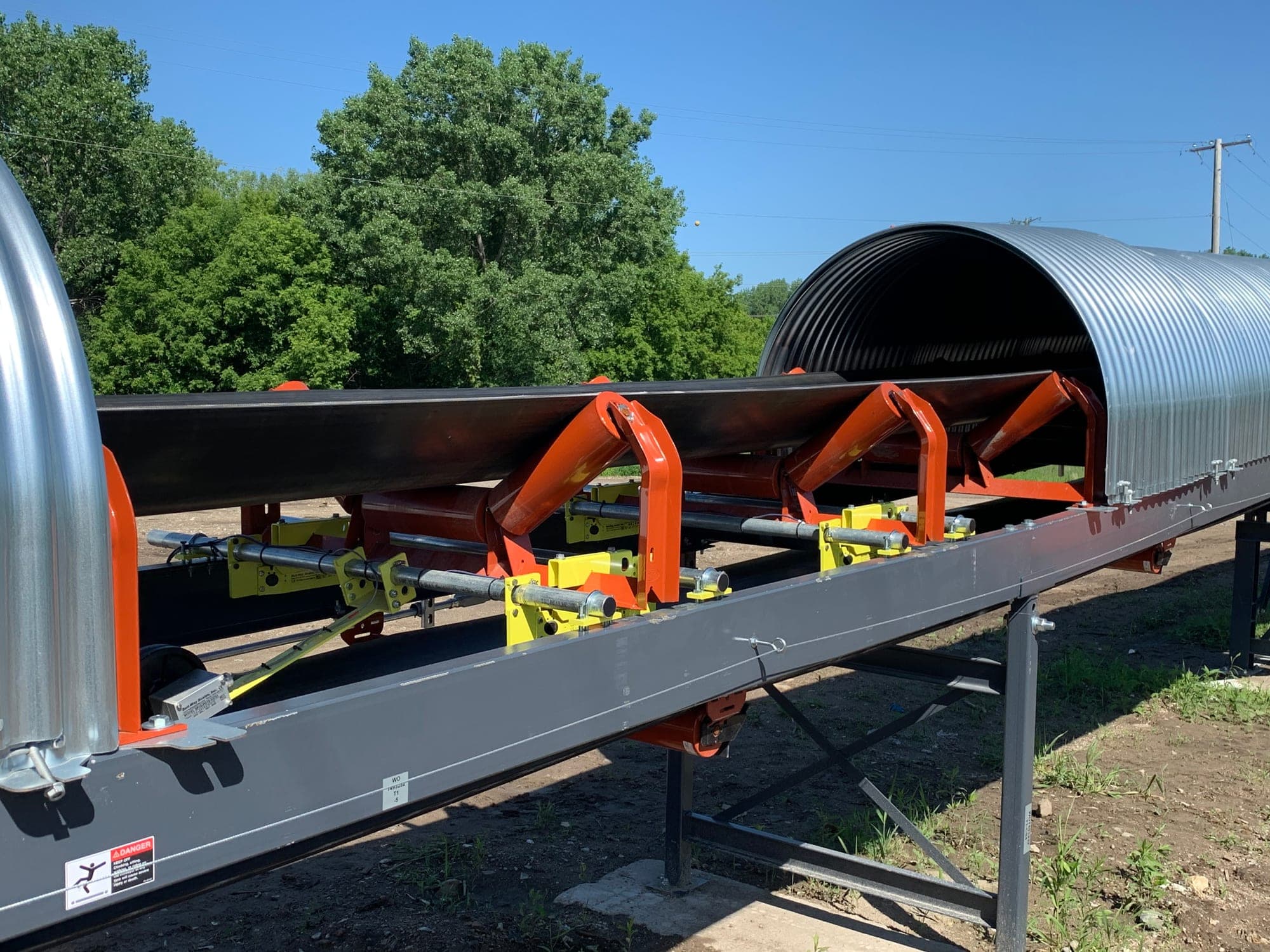
A belt scale weighs material while it moves. A weighbridge under the belt reads the load, a speed sensor tracks how fast the belt is travelling, and together they give you a live flow rate and a running total — no batch weighing, no estimating tonnage from bucket counts or truck averages.
The equipment matters less than the application. Belt condition, idler alignment, tension, and where the scale sits on the conveyor all move the number. We have been putting scales on conveyors long enough to know where one will work and where it will fight you, and we will tell you which you have before you buy.
We install Belt-Way, Rice Lake, and MCR Weigh Shark belt scales — and service almost any make.
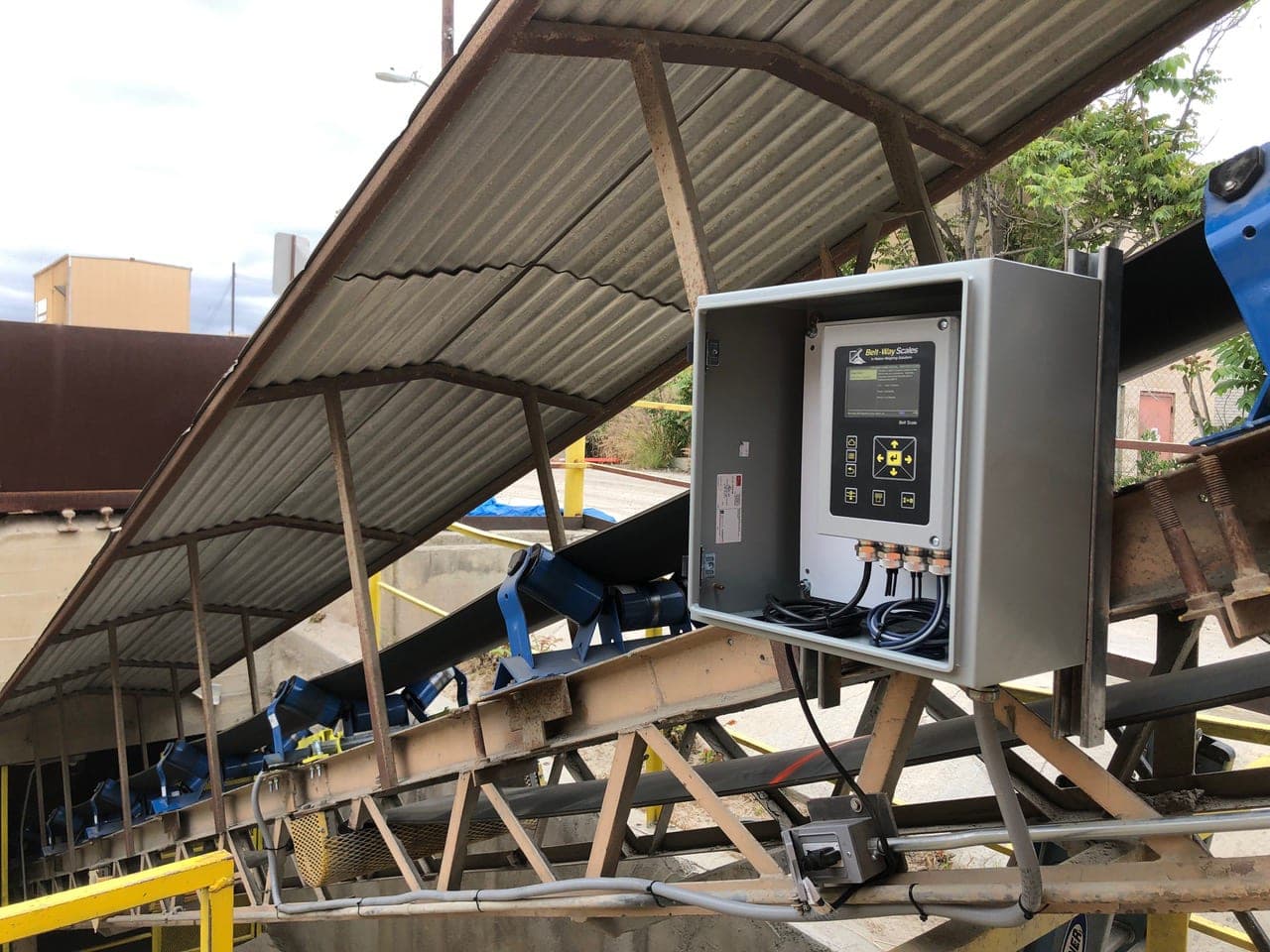
Built Around Your Conveyor
Every conveyor is different, so the specification starts with yours: belt width and speed, tons per hour, idler spacing and condition, the material you are moving, the accuracy you actually need, and what the weight has to do once it leaves the integrator. We size the system to the job rather than fitting the job around the scale.
Whether you are tracking crusher output, controlling load-out, reconciling inventory against what gets billed, or documenting throughput for reporting, the value is the same: a continuous, documented record of material moved, without stopping production to measure it.
- Belt width, speed, and tons per hour
- Idler spacing, alignment, and conveyor condition
- Material, environment, and duty cycle
- The accuracy you need, and how the weight data gets used
Installation, Calibration, and Service
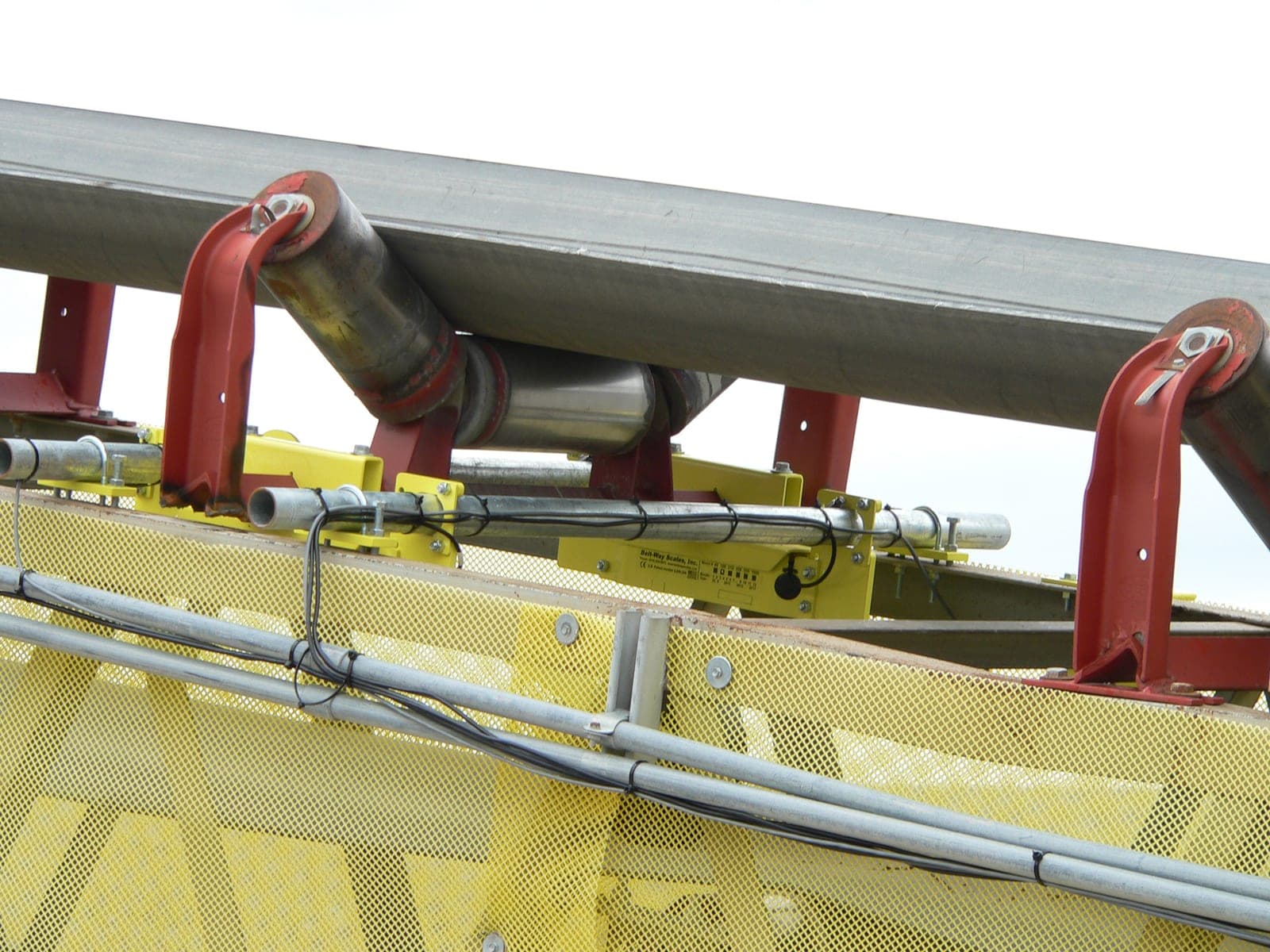
A belt scale is only as good as its installation and its last calibration. We handle the whole job: application review, equipment selection, installation, commissioning, and calibration on site with static weights (faster) or a material test, if your process demands proof.
The speed sensor deserves the same attention as the weighbridge. A slipping or fouled sensor throws your totals off even when the load cells are perfect. Scheduled calibration and routine zero checks keep the numbers you invoice from drifting.
- On-site calibration with static test weights
- Material tests against a known quantity where required
- Speed sensor setup and verification
- Scheduled calibration and routine zero checks
- Integration with plant control and reporting systems
Common questions
How accurate is a conveyor belt scale?
A properly installed belt scale typically holds 0.5 to 1 percent accuracy. Two-idler systems reach the tighter end of that range; single-idler systems are usually rated at 1 percent. Conveyor condition, idler alignment, and regular calibration matter as much as the scale itself.
How is a belt scale calibrated?
The standard method uses static test weights which rest on a harness or pole attached to the weighing idler. The static weights simulate a load on the belt while it runs at so many feet per second. A materials test is performed by weighing a known quantity of material (like a truck load) and then running that material over the belt scale. Bitterman can perform both types of calibrations on site and recommends scheduled calibration and routine zero checks.
Can I add a belt scale to my existing conveyor?
Usually, yes. Modular load cells mount on your existing idlers, and there are mounting styles for CEMA, C-channel, tube-frame, and garland idler conveyors. We will look at your belt width, idler spacing, and conveyor condition before quoting, because installation location affects accuracy.
What does a belt scale integrator do?
The integrator combines the weighbridge load signal with the belt speed sensor signal to calculate flow rate in tons per hour and keep running totals. Modern integrators also connect to plant control systems over Ethernet, Modbus TCP, EtherNet/IP, Profibus, or 4-20 mA analog output.